 Toys
Toys
 Motor skills
 Sences
 Tools
Tools
 Developmental Resources for Children
 Snoezelen
 Sale and More
 St. Nicholas and Christmas gifts

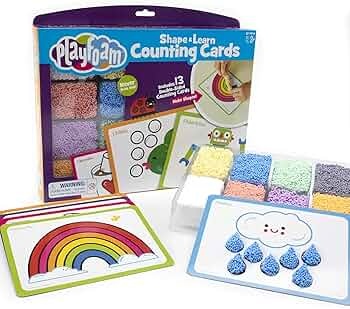
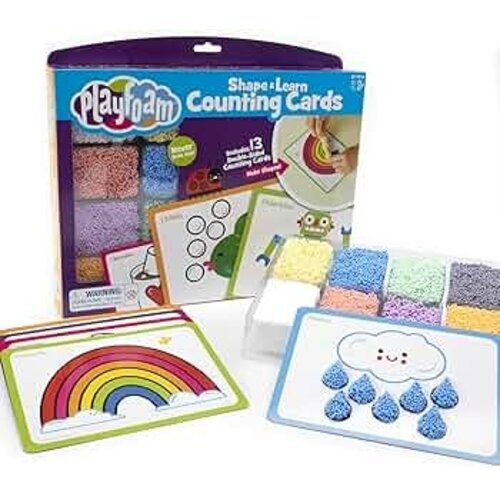
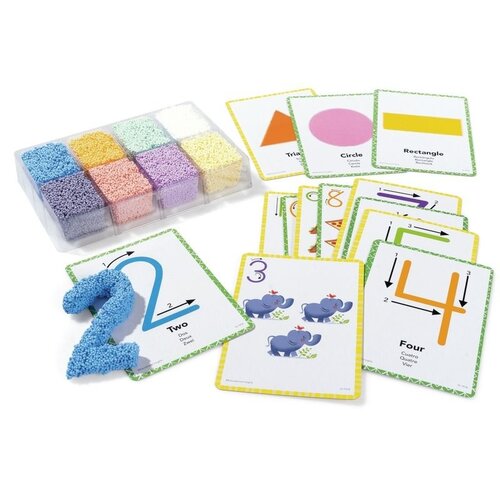
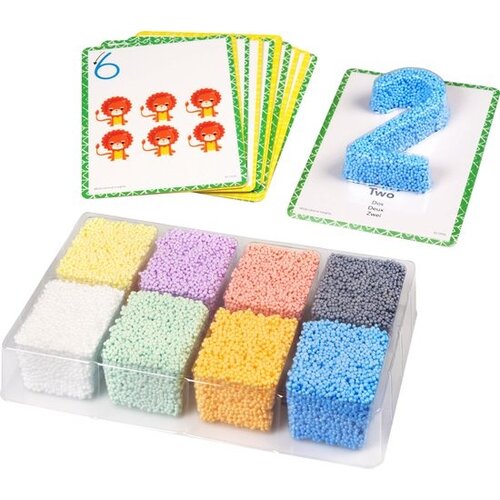
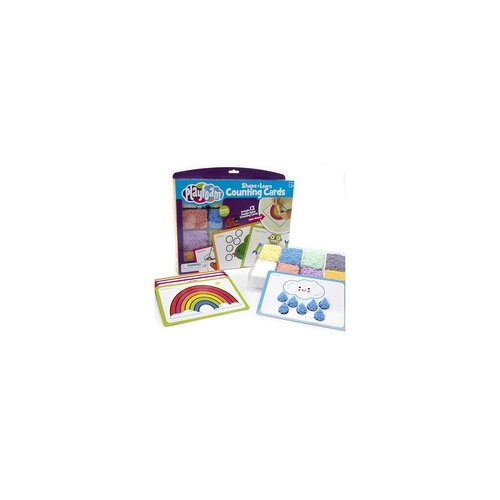
Learning Resources Playfoam Shape & Learn Counting Cards – Sensory Counting Activity
Educational Playfoam counting cards where children create shapes and numbers with sensory foam while practising fine motor skills and early maths. Read more
Learning Resources Playfoam Shape & Learn Counting Cards – learning shapes and numbers with your hands
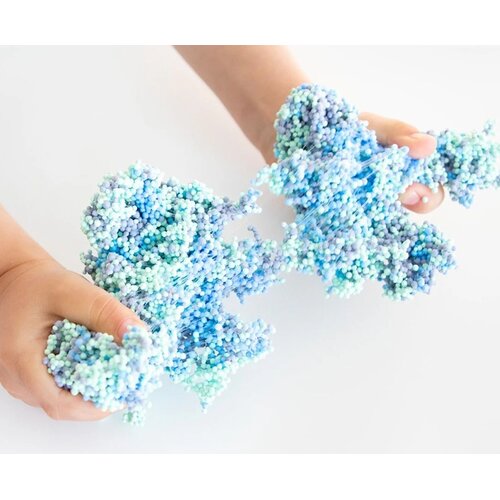
✓ Playfoam sticks only to itself – not to hands or tables
✓ Shapes and counting become a playful activity
✓ Helps practising fine motor skills
✓ Often used in preschool and classroom activities
Many young children don’t really learn by looking only. They learn much better when they can touch something and try things out themselves.
That is exactly what happens with the Learning Resources Playfoam Shape & Learn Counting Cards. Instead of just pointing at numbers or shapes, children start building them with the soft Playfoam.
They roll a little piece between their fingers, press it onto the card and slowly follow the lines. Sometimes it works immediately, sometimes it takes a few tries. But that is part of the fun.
And also where the learning happens.
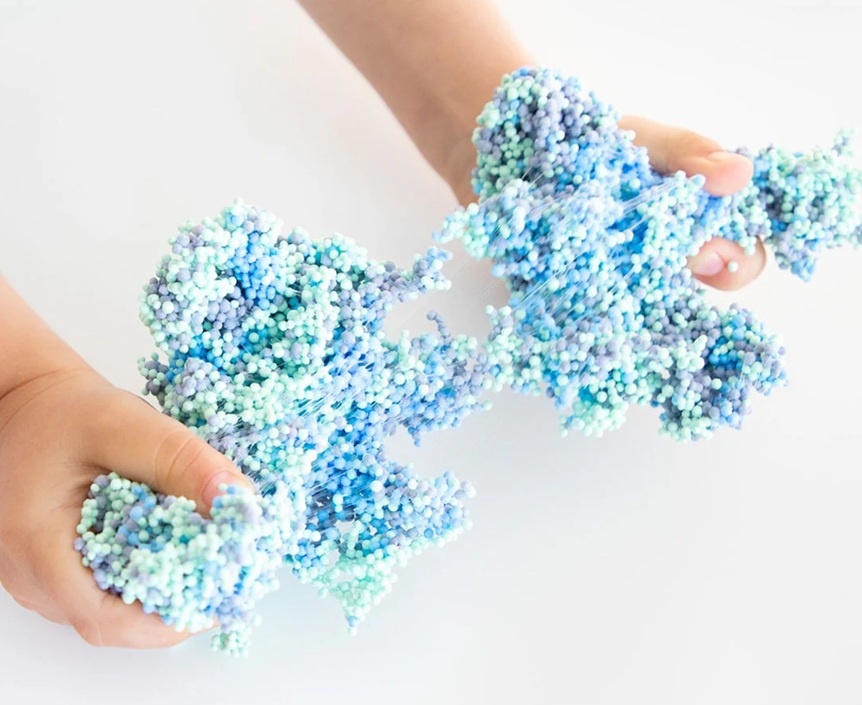
One of the reasons why teachers like Playfoam is that it is very easy to use. It doesn’t dry out and it only sticks to itself. Not to hands, not to clothes, not to the table.
So children can experiment freely without creating a mess everywhere.
What are Playfoam Shape & Learn Counting Cards?
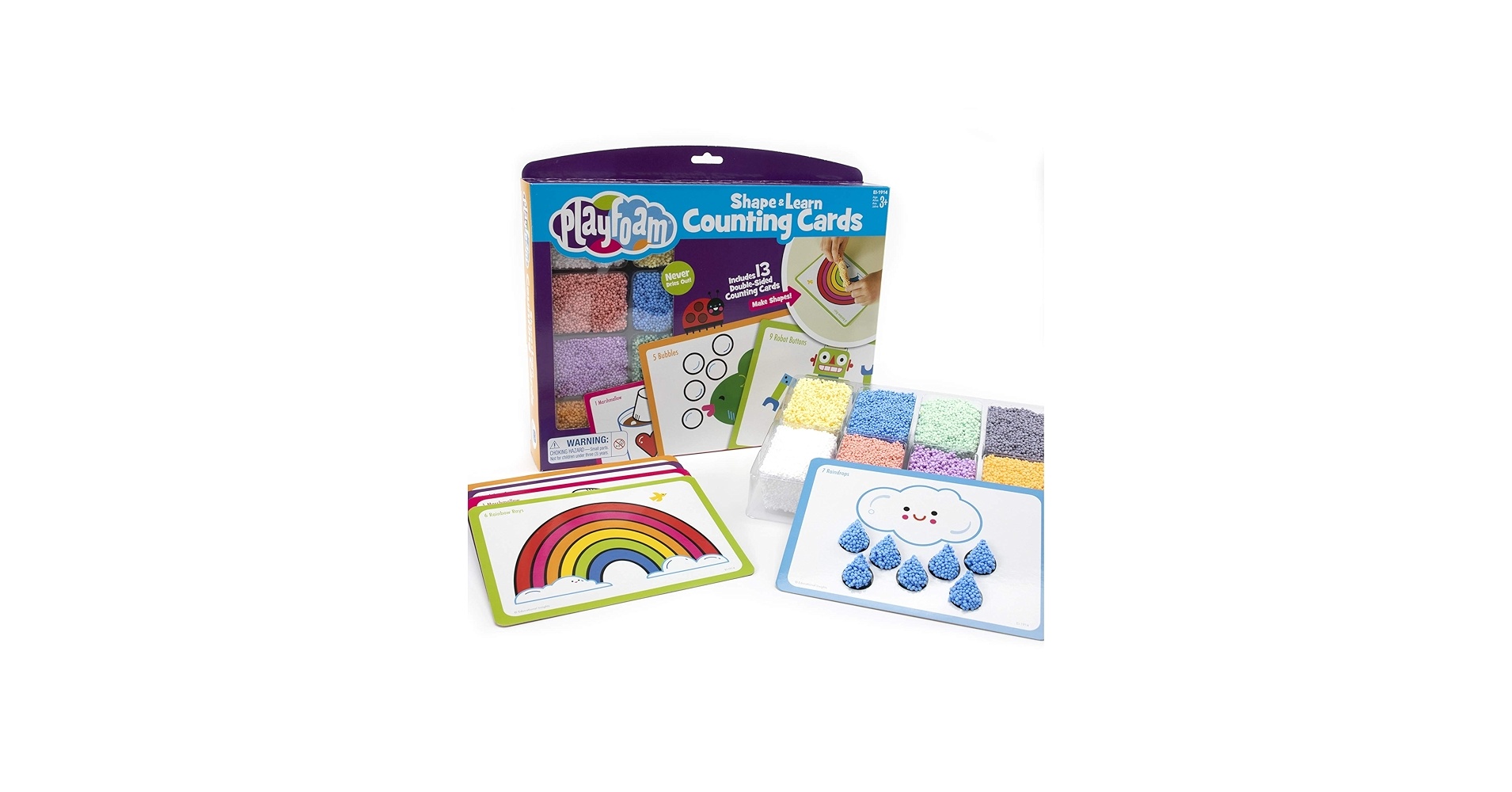
The Playfoam Shape & Learn Counting Cards are activity cards designed to be used together with Playfoam.
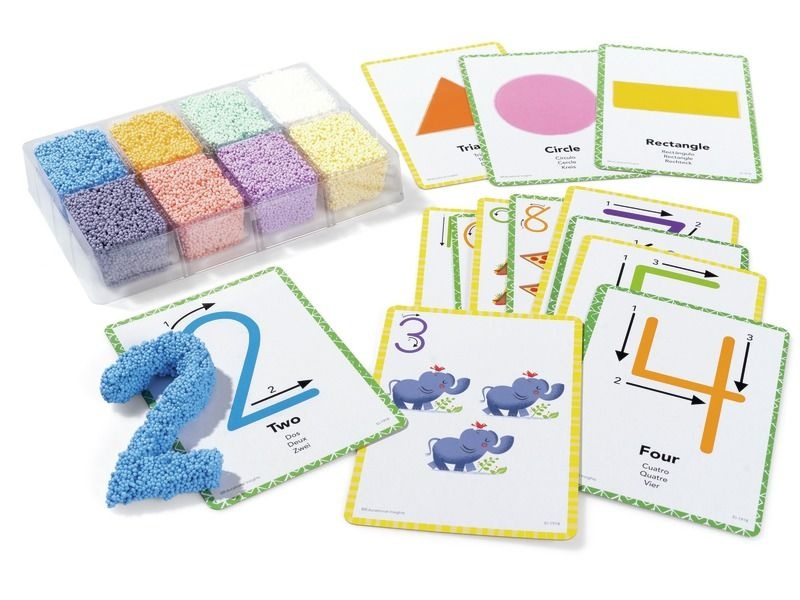
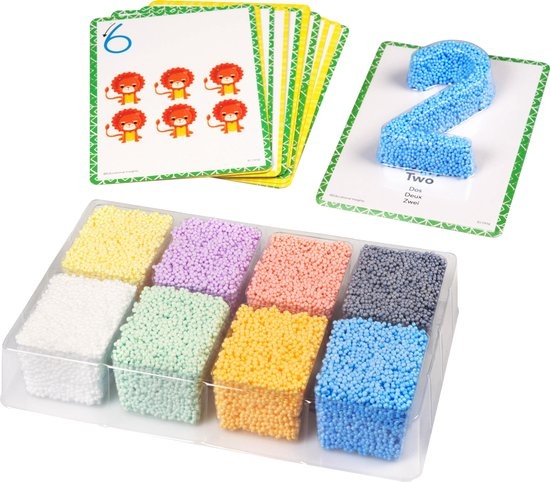
Each card shows a number or a shape. Children recreate the picture by pressing small pieces of foam along the outlines.
It is simple, but surprisingly effective.
While shaping the foam they begin to recognise shapes and numbers. They also learn to count objects on the cards.
And because the foam stays flexible, children can easily change their shapes again.
If something doesn’t look right they simply roll the foam again and start over.
Playing with Playfoam
Children usually start by rolling small balls of foam between their fingers.
Then they press those pieces onto the card, slowly building the shape or number.
While doing that they practise several skills at the same time.
Their fingers get stronger.
Their hand movements become more controlled.
And their eyes learn to follow the shape on the card.
For many children it just feels like creative play.
But quietly they are practising skills that will later help with writing and drawing.
Why Playfoam is often used in schools
Playfoam is quite popular in classrooms because it combines movement and learning.
Some children concentrate better when their hands are doing something. Rolling or shaping the foam gives their fingers something to do while they focus on the activity.
Those small movements also train the muscles used later for holding a pencil.
That is why activities like this are often used as preparation for school skills.
Why choose Learning Resources Playfoam Shape & Learn Counting Cards?
• learning shapes and counting through play
• sensory material that invites children to explore
• supports fine motor development
• helps practise hand-eye coordination
• Playfoam never dries out
• Playfoam sticks only to itself
Some children follow the cards very carefully.
Others prefer to experiment and create their own shapes first.
Both ways are good. Both ways help children discover how shapes and numbers work.
Product specifications
• Brand: Learning Resources
• Product name: Playfoam Shape & Learn Counting Cards
• EAN: 086002019141
• Material: Playfoam and activity cards
• Age recommendation: preschool age
• Learning focus: shapes, counting and fine motor skills
• Special feature: Playfoam sticks only to itself
Frequently asked questions
What do children learn with Playfoam counting cards?
Children practise recognising numbers and shapes while physically creating them with foam. At the same time they strengthen fine motor skills because they roll, press and shape the material with their fingers.
From what age can children use this activity?
The cards are mainly designed for preschool children who are starting to recognise numbers and shapes. Many children in kindergarten or early primary school also enjoy the activity.
Why do teachers often use Playfoam in the classroom?
Because it combines movement with learning. Children keep their hands busy while focusing on the activity. That often helps them stay engaged a bit longer.
Does Playfoam dry out?
No. Playfoam stays soft and reusable. Even if it is left out for a while it doesn’t harden like modelling clay or dough. Children can reshape it again and again.
Is Playfoam messy?
Not really. Playfoam sticks only to itself. It does not stick to hands, clothing or tables, so it is usually much cleaner than clay or slime.
A simple activity that invites children to explore
The Learning Resources Playfoam Shape & Learn Counting Cards turn early maths into something children can touch, build and discover.
Sometimes learning really starts with just a small piece of foam in your hand.