

 Toys
Toys
 Motor skills
 Sences
 Tools
Tools
 Developmental Resources for Children
 Snoezelen
 Sale and More

Messy Play Materials | Sand, Slime and Tuff Trays
Messy play materials like sand, slime, crackling soap, Playfoam and tuff trays. For sensory exploration at home, nursery or school.
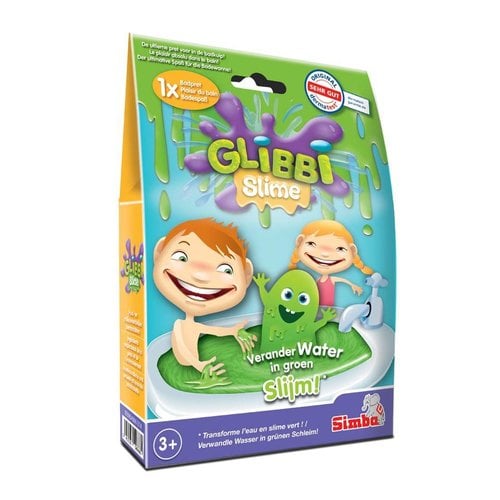


What is messy play really?
Messy play is not an activity. It’s more a moment.
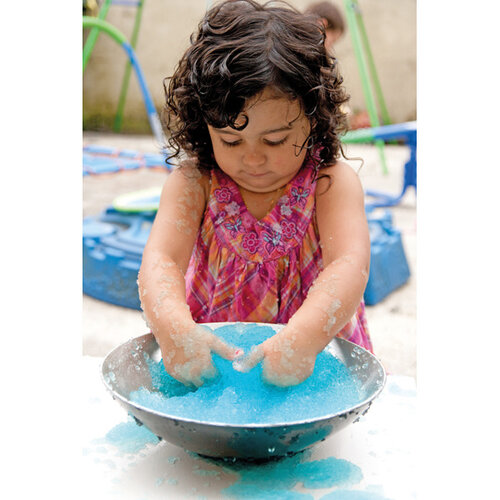
A moment where hands go into sand. Where foam sticks to fingers. Where colours mix and nobody worries if it becomes brown in the end.
It’s playing with material that reacts back. You squeeze it, it changes. You add water, it becomes something else. You mix two colours and suddenly you have a third one you didn’t plan.
It looks like “just playing”. But there is a lot happening.
Children repeat movements. Scoop. Pour. Press. Again. And again. That repetition is calming. It helps organise sensory input without them even knowing.
Messy play is simple. And that’s exactly why it works.
Why messy play matters more than it looks
When children use their hands freely, several things happen at the same time.
Motor skills improve without worksheets.
Textures are explored without explanation.
Creativity grows without instructions.
And very often, you see tension reduce.
There is something regulating about sand running through fingers. Or slime slowly stretching and folding back. The body follows the rhythm of the movement.
That’s why messy play is used at home, in nursery, in classrooms and sometimes in therapy spaces. Not because it looks nice. But because it supports development in a natural way.
What do you actually need?
You really don’t need much to start.
A tray. Some sand. A scoop. That’s already messy play.
But if you want more variation, you can expand step by step. In this category you’ll find:
• Colour materials for mixing
• Crackling soap
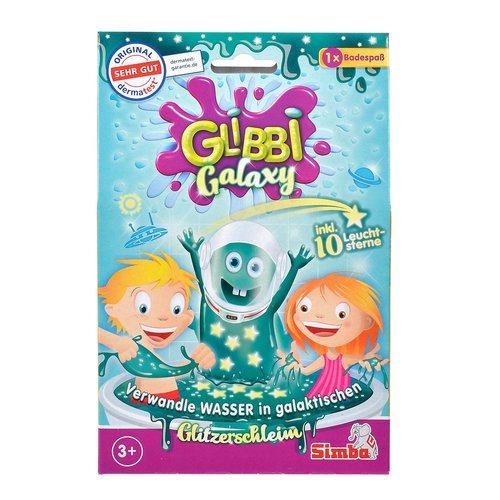
• Slime and sensory goo
• Play sand
• Playfoam
• Tuff trays
• Scoops, bowls and other tools
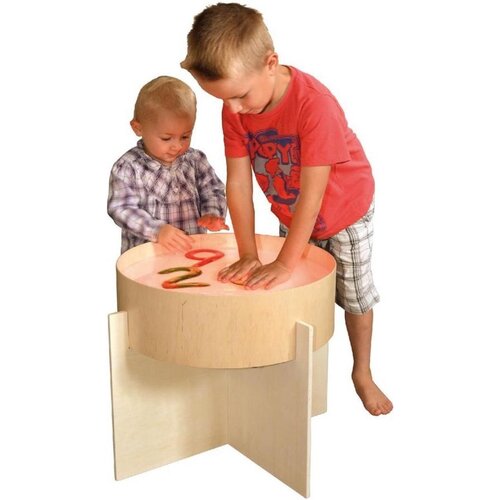
A tuff tray is practical because it gives boundaries. The play stays inside the tray. The clean-up is easier. Especially useful at school or nursery.
You can combine materials. Sand with small tools. Foam with colours. Slime with hidden objects. Every small change creates a new experience.
Messy play at home
At home it often becomes a quiet afternoon activity. No pressure. No outcome needed.
Some parents use messy play outside. Others put a tray on the kitchen table. It doesn’t have to be perfect. It just needs to feel safe and allowed.
And yes, sometimes it gets a bit messy. That’s part of it.
Messy play at school or nursery
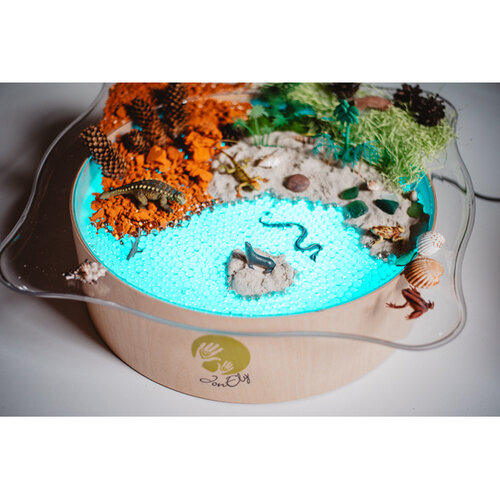
In school, messy play is often part of a theme. A tuff tray with sand and small animals. Coloured foam during a sensory lesson. Water beads during a seasonal activity.
The materials invite interaction. Children decide what to do with it. Teachers guide when needed, but don’t control every step.
It’s structured freedom.
Is messy play just making a mess?
This question always comes.
No. It’s not chaos.
With a clear base like a tuff tray and the right materials, messy play stays manageable. Many products are easy to clean or designed for repeated sensory use.
It’s not about creating disorder. It’s about giving room for exploration.
Let them use their hands
Children understand the world through touch first. Before language. Before logic.
Through squeezing, pouring, mixing and pressing, they test how things work.
You can start small. One tray. One material. That’s enough.
Have a look at our messy play products and choose what fits your space. You don’t need everything at once. Sometimes the simplest setup gives the richest play.